
Adding an article from early 2024 that shares some personal practices from the past year:A wellness blogger’s summary for the year 2023.。
Given that the article is quite long and some readers may lack the patience to finish it, I have also recorded a version... Video versionCovers most of the content presented in the article.
Furthermore, regarding healthy lifestyle practices, here is a minimalist, foundational list for your reference:
- Maintain both the duration and quality of your sleep.
- Do not smoke.
- Try to get some exercise every single day.
- Reduce sugar intake.
Achieving these four points is sufficient to attain a solid state of health. Further adjustments can then be made based on an individual's specific physical condition.
I wrote an article about this last May. The daily routine of Lex Fridman.— I subsequently used his methods to refine and improve my own daily routine. After implementing these changes over the course of a year, the results have been quite remarkable. At the end of this article, I will share some of the practices I’ve adopted and the tools I’ve utilized.
A few months ago, I happened to come across something on YouTube... A podcast interview with Andrew Huberman by Rich Roll.— it introduces neuroscience principles and practical "tools" that can enhance our daily work and learning performance—truly opening a door to a whole new world. I went on to binge-listen to several episodes of Huberman’s own podcast, gaining insights into how various aspects of our daily lives—health, learning, work, and exercise—actually function. What sets this apart from the typical "wellness" content found elsewhere is that Huberman is a professor of neuroscience at Stanford; the information he presents is...Derived from high-quality, peer-reviewed scientific research.— grounded in the biological mechanisms of the human body. He provides a detailed breakdown of relevant experiments and their findings, offering numerous actionable, practical suggestions (most of which cost nothing—this isn't a sales pitch!).
Through a process of learning, one gradually gains an understanding of the "composition and operating principles" of human beings. By utilizing various tools and practices, we can also..."Fine-tuning" our own human system, much like optimizing a software program.. This article explores some of these concepts. Please note that while the original podcast contains a great deal of highly technical, specialized information, much of it has been omitted here in favor of a more narrative-driven approach, making the content easier to grasp. Naturally, this comes at the cost of some precision; for those seeking more technical detail, I highly recommend watching the original source. The original podcast content.。
If you want to achieve better health, improve your performance at work or in your studies, and enhance your physical well-being—such as boosting your immune system and metabolism—as well as your mental health—such as improving your mood and focus—the most fundamental prerequisite is getting good sleep.
The underlying principles.
The primary mechanism regulating sleep is our internal biological clock. Influenced by our biological clock, various chemical substances within our bodies fluctuate, leading to changes in body temperature—all of which affect our internal states and external behaviors. Professor Huberman provides a vivid description of how this "biological clock" functions: in the morning, the body releases cortisol and adrenaline, which wake us up. Simultaneously, this process sets a "countdown timer" for the pineal gland to release melatonin, eventually triggering sleepiness more than ten hours later.
The primary factor influencing our biological clock is light exposure. Beyond enabling us to see, our eyes serve another crucial function:Using melanopsin-containing retinal ganglion cells to receive light information, which helps set our internal biological clock. This also explains why, after pulling an all-nighter, we might suddenly feel a surge of renewed energy as the sun rises. The sunrise resets our internal biological clock to a "wake-up" state, triggering the release of various chemicals that make us feel alert again. Many recommended "best practices" are based on this principle; we need to be mindful of the timing, type, and duration of our light exposure.
Additionally...Body temperature is another mechanism used to regulate our biological clock.Generally, our body temperature rises gradually from its lowest point during deep sleep and continues to climb after we wake up. Later in the day, it begins to decline, eventually reaching a low point as we prepare to fall asleep again.
Based on the aforementioned principles, Professor Huberman offers a series of best practices for improving sleep:
- The release of cortisol is linked to sun exposure; therefore, if you want to wake up more easily and maintain good mental alertness throughout the day...After waking up, you should go outside and get some sunlight exposure for 2–10 minutes.. This is highly beneficial for blood pressure regulation, mental well-being, and the calibration of our internal "sleep countdown" timer. Natural outdoor sunlight is most effective; if using artificial light, blue-spectrum light is best—ideally coming from above (mimicking the position of the sky). Light intensity drops by more than 50% when filtered through a window, meaning it would take 50 to 100 times longer to achieve the same effect. Interestingly, this also applies to individuals with visual impairments, as the aforementioned melanopsin-containing ganglion cells are not involved in visual image formation.
- Correspondingly,Minimize exposure to light sources in the evening.— because this disrupts our biological clock, tricking our bodily systems into believing it is still daytime. Exposure to light—especially between 11:00 PM and 4:00 AM—can suppress dopamine release for days afterward, negatively affecting mood, mental health, focus, learning capacity, metabolism, and more. The specific functions and mechanisms of dopamine will be discussed in detail later.
- If exposure to light in the evening is unavoidable, it is better to use dim, low-positioned light sources—such as soft red light or candlelight—which are relatively less disruptive. When using a computer, consider wearing "blue-blocker" glasses; this achieves an effect similar to that of software programs that automatically adjust your screen's color temperature.
- Observing the sunset in the evening can aid in falling asleep later and may even mitigate the negative effects of light exposure during the evening—it’s quite remarkable.
- People often experience a brief dip in their mental state during the day, so a midday nap can be helpful for some. Alternatively, one might opt for other forms of deep rest that do not involve sleep, such as... Yoga Nidra,Meditation.,Self-hypnosis(You can also utilize apps such as Reveri).
- The influence of body temperature on the biological clock cycle:
- Taking a cold shower in the morning causes a rapid rise in body temperature, which shifts your sleep cycle earlier (leading to an earlier wake-up time).
- Exercising in the evening keeps your body temperature elevated, which shifts your sleep cycle later (leading to a later bedtime).
- You could consider purchasing a smart mattress with automatic temperature control to improve your sleep quality.
- : Recommended times for exercise are generally 30 minutes, 3 hours, and 11 hours after waking. Overall, however, the impact of timing appears to be relatively minor.
- Dietary and Pharmacological Factors:
- Caffeine occupies adenosine receptors, blocking the signals that tell your body it’s time to sleep. Many articles suggest avoiding coffee after midday; however, Huberman notes that there is no scientific evidence to suggest caffeine affects everyone the same way—you have to test it for yourself. For instance, he can drink coffee as late as 5:00 PM and still fall asleep without any issues.
- Magnesium can be helpful for falling asleep
- Apigenin can also aid in falling asleep, though one should be mindful of its potential effects on estrogen levels.
- It is advisable not to consume too much taurine.
- : Using melatonin supplements to aid sleep is not recommended; the quality control for such products is often inconsistent, and melatonin can also trigger feelings of depression.
- At midday, you can consume low-calorie foods rich in tyrosine—such as nuts, soybeans, and certain vegetables—to boost dopamine and adrenaline, helping you stay alert.
- Consuming starches or lean proteins—foods rich in tryptophan—in the evening can facilitate the production of serotonin, promoting a sense of calm and making it easier to fall asleep.
- For the vast majority of people, a sleep duration of 6–8 hours is considered healthy.
- Regarding the search for various types of medications, you may refer to:examine.com。
In a previous discussion, Lex mentioned following a ketogenic diet and practicing fasting, which drew my attention to dietary habits. Professor Huberman also has several podcast episodes covering topics like fasting and gut health, which are quite interesting.
The background of fasting.
We can categorize the body’s chemical state in relation to food intake into two types:
- Being in a "fed" state—that is, having higher blood sugar levels—prompts our bodies to become more active in cellular replication and growth.
- A fasted state—characterized by lower blood sugar levels—prompts the body to engage more actively in cellular repair and cleanup (autophagy).
Since we naturally do not eat while asleep, a portion of our sleep duration is effectively spent in a fasted state; therefore, the timing of our meals essentially dictates the duration and balance of these two states (fed vs. fasted). Interestingly, many cultures and religions around the world incorporate fasting customs, some of which can last for several days.
In 2012, scientists conducted an experiment on mice, dividing them into two main groups: one group could eat at any time of the day, while the other was restricted to an 8-hour feeding window. Within these groups, the mice were further subdivided and fed either healthy or unhealthy diets. The results showed that the mice restricted to an 8-hour feeding window maintained—or even improved—their health, even when fed an unhealthy, high-fat diet. This represented a significant improvement compared to all the groups that had no feeding restrictions.
This research sent shockwaves through the academic community, leading to a wealth of subsequent studies and papers involving human subjects across various genders, age groups, and professions (including athletes). Scientists discovered that this...Intermittent fasting offers numerous benefits to the body— including benefits such as supporting liver health, bile acid metabolism, the body’s natural inflammatory response, weight management, increasing "brown fat" stores (which are beneficial for health), preventing non-alcoholic fatty liver disease, regulating blood sugar, and improving gut health. Adopting a habit of intermittent fasting for 60 days or more can even shift the body toward metabolizing fat for energy, which aids in weight control.
Therefore, Professor Huberman points out that...The timing of food intake is just as important as what you eat.. This research has led many academics—including Huberman himself—to adopt the practice of fasting.
Because prolonged fasting is quite challenging, most research focuses on "intermittent fasting." Simply put—much like in the aforementioned experiments with lab mice—this involves eating only during specific, fixed windows each day (aligned with one’s sleep-wake cycle) and consuming no food at other times. This approach can be categorized into basic and advanced versions.
- The basics: To reap the fundamental benefits of fasting, the simplest rule to follow is...Avoid eating for at least one hour after waking up, and refrain from consuming any food for 2–3 hours before bedtime.。
- Advanced Level: Based on current research findings...The ideal eating window is 8 hours.Considering social norms and other factors, a feeding window of 10:00–18:00 or 12:00–20:00 is generally considered reasonable.: Skipping breakfast is not a bad thing. 🙂
- The author offers a helpful tip: if your goal is to build muscle through exercise, consider shifting your protein intake window earlier in the day, as consuming protein in the morning supports muscle growth. You can choose any time of day for your workouts.
- As much as possible,Ensure the consistency of this time window.— this is also crucial. Otherwise, it’s much like the effect of constantly dealing with jet lag, which significantly diminishes the benefits you might otherwise gain.
- If you wish to try advanced fasting, it is best to transition gradually; for example, you could shorten your daily eating window by one hour every two days until you reach your target eight-hour window.
It is worth noting that "not eating anything" does not mean you cannot drink water. As established earlier, whether or not you are in a "fasted" state is primarily determined by your blood glucose levels; therefore:
- Consuming water, tea, or coffee (without milk) does not break a fast. However, the intake of even a single spoonful of sugar will break it.
- If you wish to enter a fasted state sooner after dinner, engaging in light physical activity—such as taking a walk—can help accelerate the clearance of blood glucose.
- Substances like metformin and berberine can directly facilitate the clearance of blood glucose. Cinnamon and lemon juice can also help lower blood sugar levels, albeit to a lesser extent.
Finally, if you feel a bit dizzy or shaky while fasting, you don’t necessarily need to eat or consume sugar right away. Drinking some salt water (optionally with a squeeze of lemon juice) is usually very effective at alleviating these symptoms. This reminds me of how Lex [Fridman] has mentioned taking supplements to replenish various electrolytes, such as sodium, magnesium, and potassium.
Given my own poor digestive health, I paid close attention to the topic of gastrointestinal well-being. Huberman invited a renowned microbiologist, Sonnenburg, to discuss the relationship between the gut microbiome and our health—a conversation from which I learned a great deal:
- The gut microbiome not only influences the healthy functioning of the digestive system...plays a crucial role in the human immune system.。
- The circumstances surrounding a person’s birth and early development shape their unique gut microbiome. Exposure to a diverse microbial environment (while being mindful of pathogens that could cause illness) is beneficial for maintaining a healthy microbiome—for instance, keeping pets at home or allowing children to play freely, rather than over-cleaning or over-sanitizing their surroundings.
- There is currently no standardized definition for a "healthy" gut microbiome. However, in general terms...A higher degree of microbiome diversity is generally an indicator of better health.。
- Antibiotics can severely disrupt the gut microbiome; they should be used with caution.
During the interview, the two discussed an experiment focused on which dietary patterns best support the diversity and health of the gut microbiome. The experiment primarily compared two types of supplemental diets:
- High-fiber foods include whole grains, legumes, vegetables, and nuts—all of which are traditionally considered very healthy. Much of this fiber requires the gut microbiome to break it down; in other words, fiber serves as "food" for these microbes.
- Fermented foods: yogurt, kefir, kombucha, sauerkraut, kimchi, natto, etc. Note that these should be naturally fermented—typically found in the refrigerated section rather than in canned form. Also, for items like yogurt, be extra careful to avoid those with added sugar or other additives.
The results of the experiment were quite surprising:
- The group that consumed fermented foods showed a significant increase in gut microbiome diversity.A significant reduction in dozens of immune markers, providing superior suppression of various types of inflammation.. Who would have guessed? Your gut microbiome can even regulate inflammation.
- For individuals who already possess a high level of gut microbiome diversity, consuming high-fiber foods is beneficial. If such diversity is lacking, however, increasing fiber intake may not be very helpful. Due to the process of industrialization, human dietary habits have shifted over many generations toward a high consumption of meat and processed foods; consequently, the ecological structure of the gut microbiome cannot be altered simply by increasing fiber intake.
In the interview, the two also discussed specific dietary recommendations, citing... Christopher Gardner’s research comparing the ketogenic diet with the Mediterranean diet.. Here is a summary of practical recommendations:
- The best way to improve your gut microbiome is to consume naturally fermented foods twice a day.。
- High-fiber foods are beneficial for maintaining a healthy gut microbiome. It is recommended to base your daily diet on plant-based foods, minimize the intake of ultra-processed products, and limit sugar consumption. Professor Sonnenburg once shared an anecdote: at conferences attended by microbiologists, the salad bar is almost always the first thing to run out! 🙂 Rich Roll, whom I mentioned earlier, is also a proponent of a plant-based diet.
- The efficacy of probiotics lacks broad research support.(And such products are subject to very limited regulation).The effectiveness of prebiotics is mixed.Issues such as a lack of diversity (in composition) and overly rapid dissolution make its overall effectiveness questionable.
- The Mediterranean diet offers health benefits comparable to those of the ketogenic diet, yet it is easier to sustain. Furthermore, long-term adherence to a ketogenic diet may carry certain risks. Therefore...In general, the Mediterranean diet is the most recommended dietary pattern.。
Additionally, you might want to check out our official resources. Dietary Guidelines for Chinese ResidentsThis may be better suited to the dietary habits of people in Eastern cultures.
This segment primarily covers the mechanics of the human dopamine system and how to leverage it to cultivate a healthy, disciplined lifestyle. As the most-watched episode since the launch of the Huberman Lab podcast, it offers excellent guidance for strengthening our mental faculties.
The underlying principles.
Dopamine is a crucial chemical substance that primarily acts upon two neural circuits: one governs physical movement—for instance, insufficient dopamine secretion is linked to Parkinson’s disease—while the other influences our motivation, desires, and sense of pleasure. This second circuit is involved in almost everything we do, from work and study to socializing and leisure activities. Here, we will focus on this latter aspect of dopamine’s influence. Why do we sometimes "give up"? It is essentially because, under the influence of emotions like unease, stress, or frustration, levels of norepinephrine in the body rise; once they cross a certain threshold, the cognitive control mechanisms in our nervous system shut down, leading us to give up. Dopamine can inhibit the effects of norepinephrine, thereby providing the sustained "motivation" we need to keep moving forward.
Dopamine levels in the nervous system influence our mood; low levels can lead to feelings of despondency and a lack of motivation, while high levels evoke excitement and happiness. Typically, our bodies maintain a "baseline" level of dopamine. When we achieve an exciting goal—such as winning a game or earning a high score on an exam—dopamine levels surge, providing an intense sense of pleasure. Following this peak, dopamine levels drop below the original baseline, and this state can persist for some time.
There are two crucial principles here:
- The absolute level of dopamine is only one part of the picture.More importantly, it is the "relative magnitude of change" that matters.. Consider scrolling through TikTok (or Douyin): when you come across an entertaining video, your dopamine levels rise, and you feel a sense of pleasure. By the time you reach the next video, the pleasure you feel is likely less intense—because your dopamine is already at a high baseline, making it difficult to generate a significant further increase. Yet, if you were to encounter that same video a few days later, you might find it far more engaging. Therefore...When you consistently engage in an activity you enjoy, the threshold at which you experience pleasure will gradually rise.。
- The total "reserve" of dopamine is finite.In other words, regardless of whether you derive pleasure from learning, working, leisure, socializing, or exercise, the "currency of happiness" being spent is always the same: dopamine. Here are a few examples illustrating the impact of this principle:
- Many highly disciplined individuals describe their lifestyle as "work hard, play hard"—deriving achievement and satisfaction from intense work during the week, and seeking pleasure through leisure, exercise, or socializing on their days off. In reality, both approaches rely on the release of dopamine to generate pleasure. If this pattern continues over the long term, the body’s baseline dopamine level may gradually decline, resulting in a sense of "burnout"—a state where one can no longer maintain the same level of interest or energy for things that once engaged them.
- Many people become obsessed with video games because they trigger a massive release of dopamine, creating a sense of pleasure. However, it is important to realize that our dopamine reserves are finite. If you become addicted, you risk severe dopamine depletion: on one hand, the range of things that interest you may shrink—potentially to the point where only gaming can bring you joy—while on the other, you may eventually reach a state where even gaming no longer triggers dopamine release, leading to profound depression.
Also,Dopamine also exhibits a "stacking" effect.. Take fitness, for example: the act of exercising itself stimulates the release of dopamine. When we actually head to the gym, we often unconsciously incorporate other "pleasure-inducing" elements—choosing a day when we’re feeling particularly energetic, consuming an energy drink beforehand, going with friends, socializing while working out, or listening to favorite music or podcasts. All these factors further boost dopamine levels, leaving you with an "unprecedented" sense of joy. However, keep the underlying principle in mind: the higher the dopamine peak, the longer the subsequent trough (low point) will be. Over time, this can diminish your ability to derive pleasure from exercise itself. There are many such examples—for instance, eating with friends while simultaneously scrolling through your phone and snapping photos to post on social media; just think about how many layers of "pleasure factors" are being stacked there! 🙂
External factors that influence dopamine.
Let’s examine the factors that influence dopamine release—starting with those that promote its secretion:
- Chocolate—raises the dopamine baseline by 1.5 times.
- Sexual activity—increase by a factor of two.
- Nicotine—increases levels by 2.5 times.
- Cocaine—it increases [levels] by 2.5 times.
- Amphetamines—increasing levels tenfold.
- Caffeine itself only slightly increases dopamine levels; however, it inhibits certain dopamine receptors, thereby amplifying the perceived effect of the existing dopamine.
- Yerba mate contains caffeine; it can help regulate blood sugar levels and may also protect dopaminergic neurons.
- *Mucuna pruriens* (velvet bean) can boost dopamine levels—effectively acting much like L-DOPA—while also improving sperm count and quality in men.
- Exercise involves a subjective element; for those who enjoy running, the activity level can be increased to twice the baseline.
- Healthy social relationships also promote the release of dopamine.
Regarding food, it seems Professor Huberman...I highly recommend mate tea.。
There are also many drugs that can enhance dopamine release or influence its effects:
- L-Tyrosine: boosts dopamine.
- Phenethylamine (PEA)—also found in chocolate—can boost dopamine.
- Huperzine A: boosts dopamine.
- Various "smart drugs" (nootropics)—such as Adderall, Modafinil, Alpha-GPC, or Ginkgo—which many students studying abroad have likely heard of.
Generally speaking,Continuous use of these medications is not recommended.— because the surge in dopamine is followed by a drop below the baseline, which makes it difficult to derive pleasure from activities, hinders focus, and limits both learning capacity and neuronal plasticity. Huberman notes that...: A frequency of once a week should be safe.。
Additionally, there is a particularly noteworthy study regarding...Cold-water baths can boost dopamine levels to approximately 2.5 times the baseline.(The effects last longer, potentially up to about 3 hours). It is recommended to use water at a temperature of 10–14°C—please prioritize safety. Furthermore, cold-water immersion does not need to be frequent; a total of about 11 minutes per week is sufficient. Note that once your body adapts to cold-water immersion, it no longer triggers a dopamine release.
There are also factors that can lower dopamine levels, such as:
- Melatonin can lead to a reduction in dopamine.As mentioned earlier, the use of melatonin—whether for falling asleep or adjusting to jet lag—is generally not recommended.
- Exposure to light during sleep hours can lead to a drop in dopamine levels over the following few days.Scrolling through your phone in the middle of the night when you can’t sleep is actually quite harmful.。
Maintaining healthy dopamine levels
Now that we understand the underlying mechanisms and the various factors at play, let’s look at how to effectively structure our lifestyle and work habits to maintain healthy, sustainable dopamine levels.
To recap: we know that our dopamine reserves are limited, and that becoming addicted to something raises the threshold required to experience pleasure. So, how can we maintain long-term interest and engagement in an activity without depleting our dopamine? A classic example is how casinos operate: you don’t win every time you place a bet, but the occasional win triggers a dopamine release—the magnitude of which varies based on the size of the win—compelling players to keep participating. This is a highly effective...An intermittent and random reward mechanism. It seems that many games and social networking products incorporate this concept into their design.
We can also simulate this mechanism for the activities we engage in regularly. Recall what was mentioned earlier...The dopamine stacking effect...right? We can...Creating variability in dopamine release by randomizing the number of overlapping factors. Taking exercise as an example: we can introduce random variables—such as whether or not to listen to music, whether to bring a phone along, or whether to consume an energy drink before a workout. If we simply exercise without any of these additions, the amount of dopamine released remains relatively low. By incorporating such variables, we can simulate a "random reward" mechanism characterized by fluctuating levels of dopamine release.
Growth mindset.
Next, let’s explore how to cultivate a mindset that leverages the dopamine system for self-improvement.
There is a well-known experiment involving a group of children who naturally loved to draw. They were given rewards for completing their drawings, but once those rewards were taken away, the children’s interest and motivation to draw dropped significantly. This experiment illustrates that when we receive rewards (such as money or food) for an activity, we...It actually diminishes the pleasure derived from the activity itself.. Furthermore, dopamine itself influences our perception of time as well as our emotional state.If you always focus on a reward to be received *after* completing an activity, very little dopamine is released during the process itself—making an already difficult task even harder to stick with.。
Upon closer reflection, this is a highly compelling observation. Dopamine functions much like an "instinctual system," determining whether or not we feel motivated to undertake a particular task. Conversely...Our subjective thoughts can influence how this system functions.This is perhaps why humans are able to transcend animal instincts and attain achievements that require "counter-intuitive" (or "anti-instinctual") effort. The experiment mentioned above serves as an example of the negative impact our subjective mindset can have; conversely, we can also cultivate a positive impact—what is known as a "growth mindset."
Specifically, this includes:Using self-suggestion to reframe the process of putting in effort as a "reward" in itself. When I strive to learn, the process itself is inherently engaging and helps me grow stronger. This mindset triggers the release of dopamine within the body, which boosts my mood and motivation, making the challenges encountered along the way easier to overcome. The key is to focus on the process itself, rather than relying on external stimuli beforehand (such as the substances mentioned earlier) or dangling massive rewards for yourself afterward.
While this way of thinking might seem subjective, it is simply how our nervous system functions. Although the "hardware" of the human system is largely the same for everyone, the "software"—our knowledge and thought patterns—can vary drastically from person to person.Through self-discipline and self-suggestion, we can alter our preferences for various activities.For example, one can derive satisfaction from the health benefits of fasting—rather than from the act of overeating once the fast ends. By exercising self-discipline to resist the allure of high-fat, high-salt foods, and by consciously reinforcing the idea that plant-based foods are beneficial, one may eventually find even something like broccoli to be quite delicious. This is why this article focuses heavily on underlying principles rather than just offering behavioral tips; understanding these principles empowers us to use self-suggestion more effectively. 🙂
The dopamine system also contains mechanisms that can create "barriers" to our cognitive growth. For example, when we encounter information that reinforces our existing beliefs, it triggers a release of dopamine, making us feel good—a process that fundamentally shapes (and potentially limits) how we perceive the world. This highlights just how rare and valuable an "empty-cup mindset" (a state of openness and receptivity) truly is; it also explains, in large part, why so many online debates fail to reach a consensus. How can we overcome this inherent flaw in our nervous system? One potential approach is to regulate our emotions—aiming for a state of calm (by boosting serotonin levels)—which allows us to better listen to and absorb information that contradicts our current worldview, ultimately fostering more effective collaboration.
This episode of the podcast had a profound impact on me personally; I highly recommend watching it. Mindset & DriveLikely to yield various benefits.
Learning and Focus
With an understanding of how dopamine functions, we can explore further topics related to brain health, focus, and how to learn more effectively.
The Principles of Learning
From the perspective of neuroscience, the essence of learning is the "rewiring" of neurons. This requires the brain to be in a specific chemical state—what Andrew Huberman frequently refers to as a state of "neuroplasticity." Achieving this state of neuroplasticity requires two key conditions: a sufficient level of focus and a signal that an "error" has occurred (more on this later). Furthermore, an intriguing mechanism of the brain is that, during the neuroplastic state associated with learning, acetylcholine "tags" the neurons that need to undergo change; the actual rewiring of these neurons primarily takes place during rest and sleep—a process somewhat reminiscent of the garbage collection mechanism in a Java Virtual Machine (JVM) 🙂.
What is an "error signal"? When we attempt a task but fail to achieve the intended outcome, the body sends a signal to the brain: "I have made a mistake." When in a cognitive state characterized by making errors and experiencing frustration, the nervous system releases chemical substances—such as adrenaline (to increase alertness), acetylcholine (to enhance focus), and dopamine (to facilitate neuronal change or "rewiring")—which activate neuronal plasticity. In other words...Making mistakes is a crucial prerequisite for entering a state of learning.. Those working in machine learning will likely find this familiar—isn't it exactly like training a model? 🙂 Also, while many people believe that a "flow" state is the optimal state for learning, Huberman suggests otherwise."Flow" is a state of intense mental concentration that borders on automation; it occurs when we perform tasks we already know how to do, rather than when we are learning new knowledge or skills.。
Regarding this state of learning, a classic experiment involves having subjects wear special glasses that shift their field of vision, then asking them to perform tasks such as grasping objects. Because the glasses alter the perceived positions of objects, initial attempts at grasping often result in errors. However, as the brain enters a state of neuroplasticity, it gradually adapts to this visual shift—coordinating sensory input (such as hearing) and physical movement—to successfully complete the tasks. More interestingly,This chemical state of "neuroplasticity" can be sustained.You can even trigger this brain mechanism through specific preparatory actions before beginning a learning session, which can accelerate the learning process. There is an underlying logic here: when you encounter setbacks or difficulties, your brain enters a state of heightened plasticity—but if you choose to give up at that very moment, then...Neurons can also "rewire" themselves to reinforce patterns of giving up, creating a vicious cycle.。
In early life, the brain possesses a high degree of natural neuroplasticity, which declines significantly after the age of 25. We will discuss how to overcome this later on.
Also,Significant neuronal reconnection activity also occurs during rest and sleep.As previously discussed, high-quality sleep is a prerequisite for achieving robust physical and mental health.
Leveraging neuroplasticity.
If you are under 25, congratulations—your neuroplasticity is still excellent, which means you can...Learn as wide a variety of knowledge and skills as possible.. For instance, you can quickly learn various musical instruments, new languages, new sports, or professional skills. By exploring a wide range of fields, you can identify where your true interests lie and then focus on developing those areas further.
If you are over 25, as I am, there are still many ways to enhance your neuroplasticity.
- Experiments have shown that...Adults are fully capable of adapting to and mastering incremental, small-scale learning.For instance, if a visual distortion is only 7 degrees—rather than a complete 180-degree inversion—an adult can quickly learn to correct the error. Applying this to learning: it is better to limit the amount of new information taken in at any one time (a principle this article itself slightly violates—you might want to save it and study it in smaller chunks). Through repeated, incremental exposure, the nervous system can adjust and learn.
- The stronger the desire to achieve a goal—and the greater its importance or the magnitude of the potential reward (such as those linked to survival)—the more readily neuroplasticity occurs. While this aligns with intuition, it may not always be highly practical to implement in real-life scenarios.
- The third point is the most interesting:Disrupting the vestibular system can induce a state of neuronal plasticity. In short, exposing your body to "novel gravitational experiences"—such as doing handstands, practicing yoga, engaging in gymnastics, skateboarding, or any activity that challenges your balance—quickly triggers an "I’ve made a mistake" signal. This shifts your brain into a learning state, which can even enhance your ability to tackle other, unrelated learning tasks afterward. This immediately reminds me of...The "handstand culture" practiced at Taobao during its early days actually has a scientific basis.: It is important to note that the experience must be novel. In other words, if you are already highly skilled at doing a handstand, then performing one is merely a routine activity; it won’t provide the kind of stimulus that signals to your body that it is teetering on the edge of an error and needs to make a correction.
Huberman posits that the primary functional chain of the brain follows this sequence: perception, cognition, emotion, thought, and action. When attempting to regulate our nervous system to perform various tasks—such as learning, solving complex problems, or pushing physical limits—relying solely on conscious thought (e.g., repeatedly telling oneself, "I must not get distracted") is rarely effective. A more viable approach is to utilize a "reverse chain": by starting with action and leveraging the underlying mechanisms of the nervous system, one can gradually influence thoughts, emotions, cognition, and even perception. This is why Huberman strongly advocates for the use of various "action-based tools." In short: mood follows action.
The Ideal State for Learning
Beyond the chemical state associated with neuroplasticity, we also need to consider other factors. For instance...Do not become so relaxed that you grow drowsy, nor so tense or agitated that you lose the ability to think clearly....and so on. These factors are all linked to the levels of various chemicals in our bodies—such as dopamine, adrenaline, acetylcholine, serotonin, and melatonin—which require proper regulation. In a previous interview on the *Rich Roll* podcast, Huberman shared a highly effective "breathing tool."Physiological sigh.(Physiological Sigh): In simple terms, this involves taking two inhalations followed by one long exhalation. Typically, just one or two physiological sighs are enough to rapidly reduce stress and arousal levels, fostering a sense of calm and enhancing learning performance.
The "growth mindset" mentioned earlier is also vital. When you feel discouraged by a mistake, reinforce the idea that failure is the essential path to learning and growth—that it is, in fact, beneficial. This can trigger dopamine release, boosting your motivation to learn and enhancing the pleasure you derive from the process.
Regarding the role of sleep in enhancing learning, research offers several relevant tips:
- Listening to a steady, rhythmic beat while studying—and playing that same, subtle beat while falling asleep—can enhance learning and memory retention.
- : After a 90-minute study session (which aligns with the human biological clock cycle), taking a 20-minute break—specifically "non-sleep deep rest" (NSDR)—can enhance learning outcomes.
- The "gap effect": pausing for 10 seconds at random intervals during a learning session allows these pauses to be "replayed" at an accelerated rate during sleep, thereby enhancing learning outcomes.
Enhancing focus.
The mechanism behind "focus" involves the coordination of two "network modes" in the brain: the "default network," which activates when we are not engaged in any specific activity, and "task networks," which activate when we concentrate on a particular task. In a typical brain, these two modes are well-coordinated—functioning much like a seesaw, where the activation of one suppresses the other. For individuals with focus-related challenges (such as ADHD), this coordination fails, leading to an inability to maintain focus.
Increasing dopamine levels effectively promotes coordination between these two network modes; consequently, many medications for ADHD—such as...—work by boosting dopamine Adderall,Modafinil ...and so on. Some surveys indicate that these substances—often referred to as "smart drugs" or "nootropics"—are misused in the United States even more frequently than marijuana. Many high-achieving students use them to enhance focus and reduce their need for sleep. However, Professor Huberman points out that any artificial boost in dopamine is inevitably followed by a subsequent dip. Furthermore, these substances carry risks of addiction and metabolic disruption, among many other negative consequences.It may not actually improve long-term learning or memory.As noted in the earlier section on dopamine, such substances should be used with caution, and their frequency of use must be strictly limited.
The best way to improve focus is, as discussed earlier, to gain better control over our dopamine system—for instance, by connecting our actions to a deeper purpose or using positive self-talk. Breaking tasks down into smaller milestones can also help; the process itself provides motivation, triggering the release of dopamine and, in turn, boosting our focus. Additionally, there are several other safe and effective ways to enhance focus:
- Supplement in appropriate amounts Omega-3 EPA fish oil., a building block for nerve cells, which can effectively alleviate depression and assist in the treatment of Attention Deficit Hyperactivity Disorder (ADHD).
- Engaging in physical movement can help improve focus. The professor cites an example from his experience as a neurosurgeon: when performing surgery, adopting a semi-squatting, semi-standing posture (a form of physical engagement) helps keep the hand holding the scalpel steadier, reducing tremors. This reminds me of how many students used to twirl pens while studying; similarly, many people today use fidget spinners or opt for standing desks—all of which likely serve a comparable purpose.
- Restricting one's field of vision can enhance concentration. We often get distracted when our eyes catch a flashing notification on our taskbar; adjusting your settings to enable a "focus mode" can help prevent this.
- The vertical direction of one’s gaze can influence one’s neurological state.Directing your gaze downward tends to calm and relax the nervous system—potentially even inducing drowsiness—whereas looking upward increases alertness.When working, you should generally position your monitor at or above the level of your nose.
- The brain is not well-suited for frequent, rapid "context switching"—a common occurrence when scrolling through platforms like TikTok, where a constant stream of disparate information shifts at high speed. This is detrimental to our attention span. A 2014 study indicated that...Daily screen time on mobile devices should be kept under 60 minutes for adolescents and 120 minutes for adults.— to avoid the development of attention-related issues.
- Furthermore, research indicates that...A 17-minute meditation session capable of rewiring neurons in the brain, leading to a permanent improvement in attention.You only need to do it once; it is certainly worth a try.
Brain health
We will also examine methods for enhancing brain health and cognitive performance.
First and foremost, as mentioned earlier, ensure high-quality sleep.
Regarding exercise:Aerobic exercise is the most directly beneficial activity for the brain.Enhances cardiorespiratory function and supports brain energy supply. Aim for 150–180 minutes of aerobic exercise per week.
Regarding foods that support brain health: the first three points are particularly significant, while the subsequent points are supported by less extensive research.
- Omega-3 fatty acids, specifically EPA.A vital component of the brain’s composition, yet often undersupplied in the average diet. Increase intake of fish, oysters, caviar, chia seeds, walnuts, and soybeans. Aim for at least 1.5 grams daily—ideally, more than 3 grams. If you don’t eat fish, consider taking fish oil supplements.
- Phosphatidylserine(Also beneficial for cognitive function; it can be obtained through fish, meat, and cabbage).
- Acetylcholine, an important neuromodulator that enhances attention. Eggs—specifically the yolks—are a key source of choline. It is also found in potatoes, nuts, and fruits, though in lower concentrations than in egg yolks. It can also be obtained through supplements such as Alpha-GPC.
- Creatine: For those who do not consume meat, a daily intake of approximately 5 grams is recommended.
- Anthocyanins—found in foods like blueberries, blackberries, and grapes—can reduce DNA damage and help mitigate cognitive decline. An intake of approximately 60–120 grams of blueberries per day is suggested.
- Glutamine—obtainable from sources such as beef, chicken, fish, eggs, soybeans, cabbage, spinach, and celery—can enhance brain performance in low-oxygen environments (such as at high altitudes) and help curb sugar cravings.
- Water and electrolytes—such as sodium, potassium, and magnesium—are fundamental elements required for neuronal signaling and must be adequately maintained.
This section also discusses the three channels through which our bodies evaluate preferences for various foods. The first two are taste-based assessment and subconscious evaluation of nutritional content. The third—which is quite interesting and also linked to dopamine—is that we can...Increasing metabolic activity in the brain can enhance one's preference for certain foods. For example, if you dislike fish, one approach is to eat it alongside foods you already enjoy. Another is to use self-persuasion—convincing yourself that eating fish is beneficial for your health. Both methods can trigger the release of dopamine in your brain, gradually increasing your preference for fish.
Lastly, if you are interested in dietary supplements, you may also want to look into... What supplements does Professor Huberman typically take?。
Longevity
Finally, let’s look at how to extend longevity; this is covered in an episode where Huberman interviews David Sinclair, an expert in the field from Harvard.
The essence of aging
Sinclair argues that aging is a disease—a root cause that gives rise to many other common conditions, such as Alzheimer’s disease and cancer. He suggests that through scientific intervention, we can "treat"—and potentially even reverse—aging.
Fundamentally speaking, aging is...Loss of genetic information, this consists of two parts:
- Information regarding DNA itself—for instance, how the structure of DNA within cells can be damaged by factors such as radiation.
- The information that regulates gene expression—known as the "epigenome"—can become compromised. This factor accounts for 80% of the aging process.
The human body possesses a natural "aging clock" that does not tick at a constant speed. During our youth—a period of growth and development—this clock runs faster. Consequently, individuals who undergo rapid development during puberty may have a "faster" overall aging clock, which could potentially correlate with a shorter lifespan—a rather unsettling thought, isn't it? Furthermore, individuals of shorter stature—such as those with dwarfism—rarely develop heart disease or cancer and tend to live significantly longer. But don't worry: as mentioned earlier, genetic information accounts for only 20% of the factors that influence aging.The regulation of gene expression constitutes the majority of this process.。
Somewhat unexpectedly, the most significant experiments presented by Professor Sinclair all relate to the concept of "fasting" mentioned earlier. For instance, while the typical lifespan of a mouse is about two years, a mouse in his lab named "Yoda" lived for a full five years. The primary interventions involved selecting for "dwarf" genes and implementing a fasting regimen.
The professor provided a detailed explanation of the following: Why fasting can extend the lifespan of animals and humans by more than 30%.:
- When blood sugar levels are low, the body inhibits the mammalian target of rapamycin (mTOR) and activates sirtuins. This creates an optimal chemical state that clears out old proteins, increases insulin sensitivity, boosts energy availability, and repairs cells. These sirtuins serve as a vital tool in our defense against aging.
- When insulin levels are low, "longevity genes"—such as SIRT1—are activated.
- Fasting provides cells with sufficient "downtime" (rest).
- Lower blood glucose levels increase insulin sensitivity, allowing the body to absorb glucose more efficiently—a state that is beneficial for health.
- When you never experience hunger, your biological clock for aging ticks faster.
- Beyond the autophagy triggered by a 24-hour fast, there are deeper cleansing mechanisms that activate on the second or third day of fasting. Experiments on elderly mice have shown that such prolonged fasting can extend their lifespans by 35% However, this might be a bit too difficult for the average person to put into practice.
Sinclair discusses various unsuccessful studies from the last century, such as the attempt to combat aging using antioxidants. The core concept in modern longevity research focuses on how to...Triggering the body’s own anti-aging mechanisms through specific interventions。
Furthermore, Sinclair introduced several exciting, cutting-edge technologies, such as...Gene therapy can be used to reboot our DNA expression system. A single injection has been shown to restore vision in mice. Perhaps in a few years, we might be able to reverse the aging of various parts of the human body—much like Deadpool.
Anti-aging interventions.
Let’s start with an overview of various anti-aging methods.
Diet
This includes dietary composition and caloric/timing control. As touched upon earlier, I recommend narrowing your daily eating window to approximately 8 hours. For dietary structure, you can refer to this article recently published in *Cell*. Nutrition, longevity and disease: From molecular mechanisms to interventions. To put it simply: increase your intake of plant-based proteins (peanuts, quinoa, legumes, broccoli, etc.) and healthy fats (olive oil, nuts, avocados, etc.), while reducing refined carbohydrates (white rice, white bread, cakes, cookies, etc.). Generally speaking, animal fats, animal proteins, and sugar tend to accelerate the aging process.
Physical exercise.
Aerobic exercise is highly beneficial for longevity, as it improves cardiovascular and pulmonary function and supports vascular health. Strength training is equally important—it helps maintain the strength of our muscles, joints, and ligaments, providing better structural support and protection, which reduces the risk of falls or injuries as we age. A common recommendation is to aim for about 3 hours of aerobic exercise per week, combined with 2 to 3 strength training sessions. Aerobic exercise is generally straightforward—activities like running, cycling, or swimming all work well. Strength training has a bit more of a learning curve; I’ve actually been learning some introductory strength training routines myself lately.
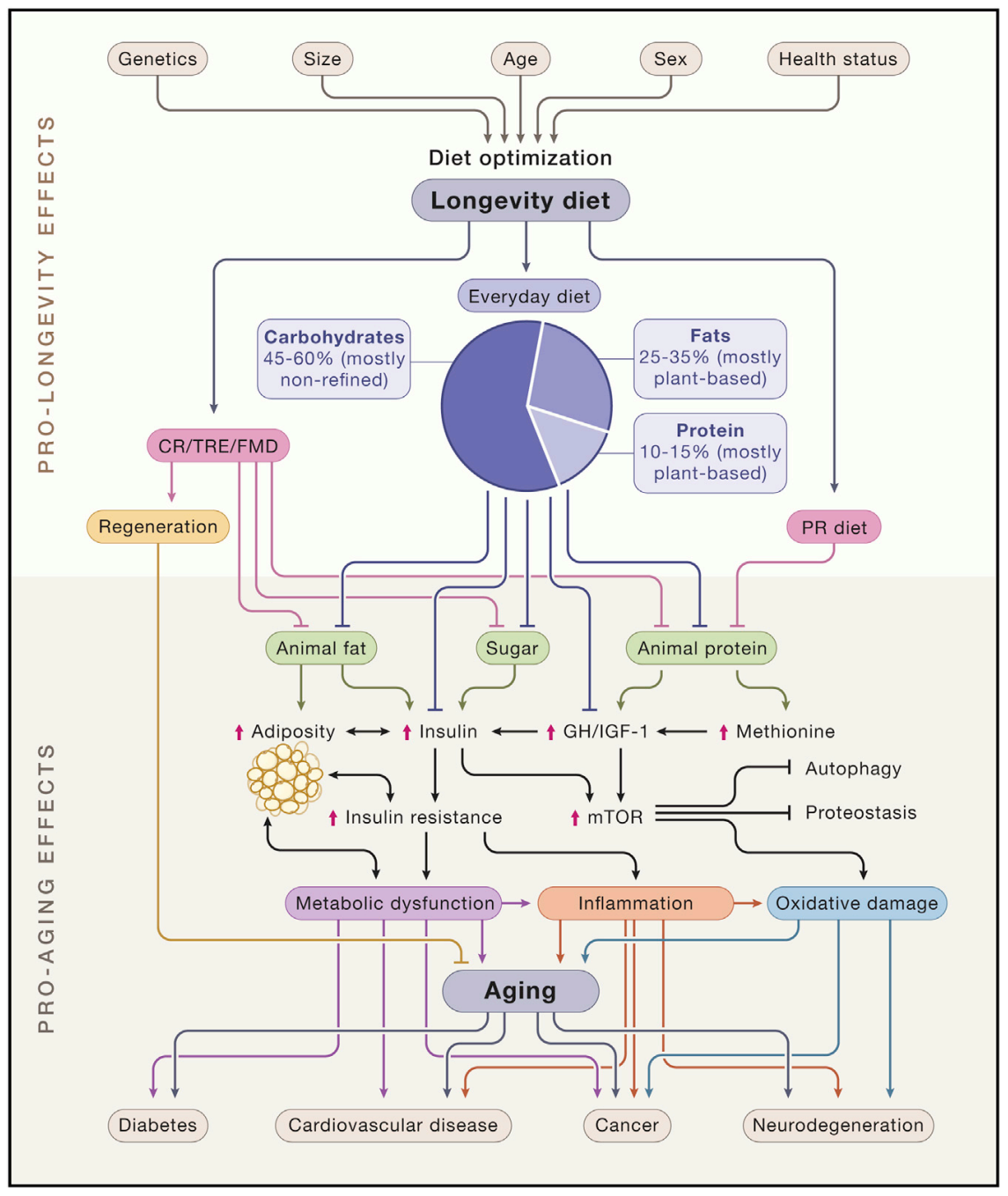

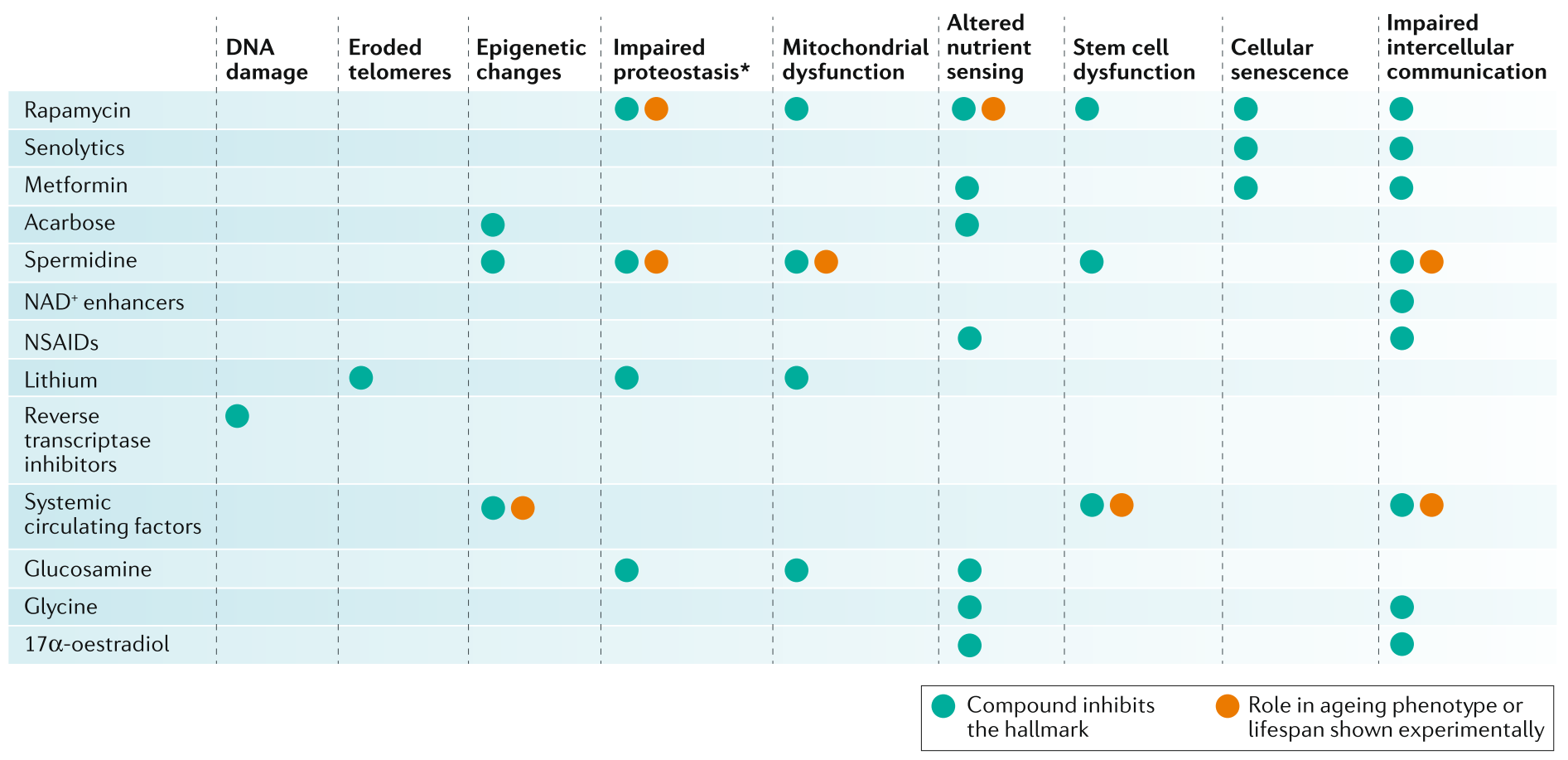
There is a significant amount of research on pharmaceutical interventions, though most remain in the early stages of human clinical trials. For more details, refer to this paper published in *Nature*. The quest to slow ageing through drug discoverySummarizes various relevant studies, including those on well-known substances like metformin and NMN.
As previously mentioned, gene expression is the most critical factor influencing aging. Is there a way to control gene expression within human cells? The well-known "Yamanaka factors" offer a potential solution. Shinya Yamanaka’s team discovered a method to reprogram adult cells by introducing four transcription factors—Oct4, Sox2, c-Myc, and Klf4—via a lentiviral vector. This process converts adult cells into induced pluripotent stem cells (iPS cells), which resemble embryonic stem cells. Like embryonic stem cells, iPS cells possess the capacity for regeneration and can, in theory, differentiate into any organ or tissue in the adult body—a capability that perfectly counteracts the cellular decline associated with human aging. Isn't that remarkable? This breakthrough has paved the way for numerous innovative companies focused on longevity, such as... Life Biosciences,Altos Labs ...and so on; we can look forward to the widespread adoption of such technologies in the future.
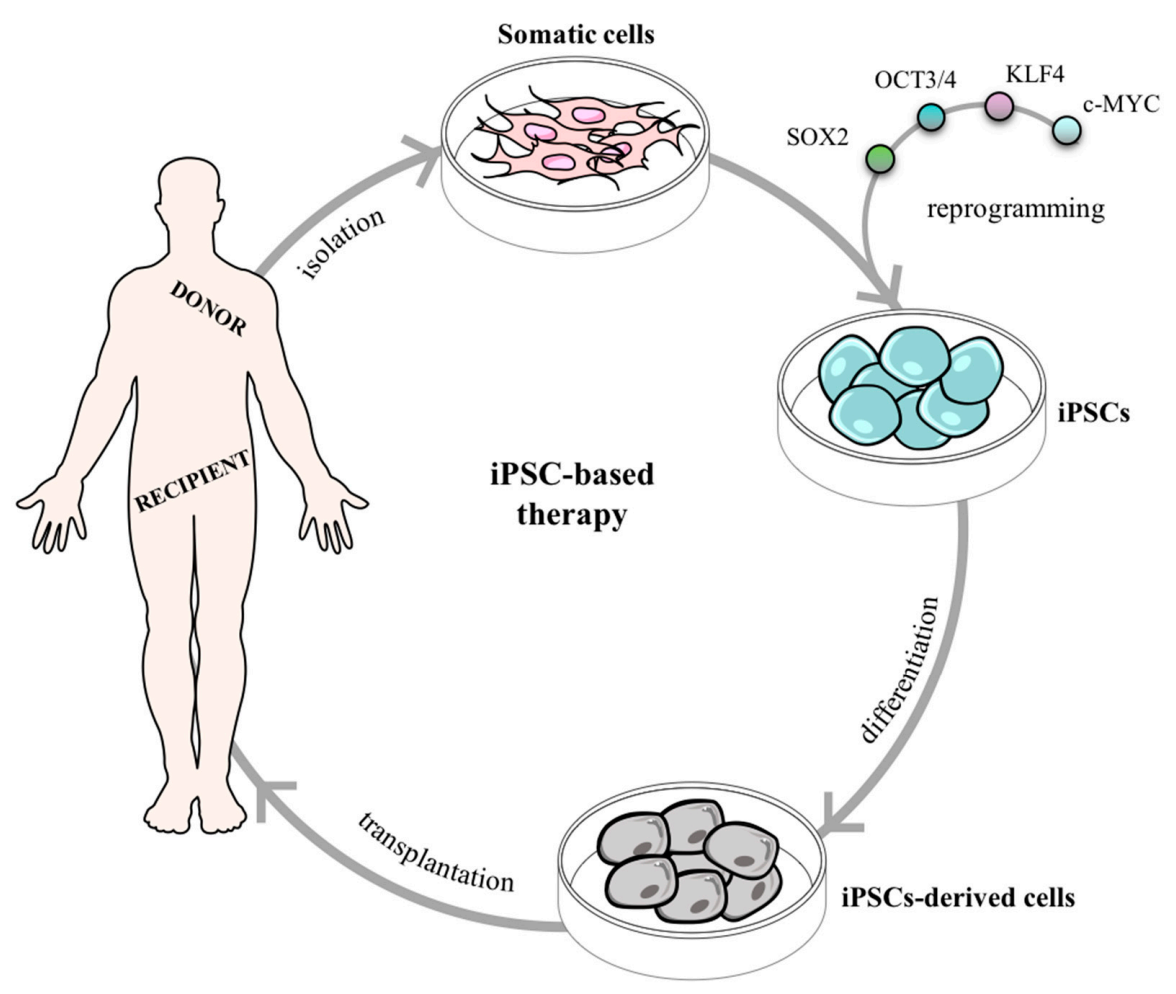
Here are some of the practices Sinclair himself follows; if you choose to adopt them, consider your own personal circumstances. Interestingly, a top comment on this episode points out that the professor is already 52 years old—though he certainly doesn't look it! So, you get the idea.
- : This individual skips breakfast, eats a light lunch (such as yogurt or olive oil), and focuses on vegetables, fish, and shrimp for dinner—avoiding steak, sugar, desserts, and bread. This effectively reaches an advanced fasting state with a two-hour eating window. Occasionally, they attempt to go an entire day without eating, though this is difficult to sustain.
- He takes 1 gram of resveratrol and 1 gram of NMN (which converts into NAD—the "fuel" for sirtuins) daily, along with metformin. He may skip some of these supplements on days when he exercises. He does not take multivitamins.
- The benefits of a vegetable-based diet: vegetables are rich in various nutrients and vitamins, and they contain "xenohormetic" compounds—substances produced by plants under "stress" that can promote longevity. The latter can also be obtained through dietary supplementation with quercetin.
- : Aerobic exercise and strength training are generally alternated every other day. Aerobic exercise can boost NAD levels.
- Decisions regarding the intake of certain medications can be based on family medical history; for instance, he began taking cholesterol-lowering drugs at the age of 29.
- The professor considers artificial sweeteners to be generally safe; he even drinks Diet Coke occasionally.
Professor Sinclair has personally practiced these methods for over a decade, utilizing various tools to monitor his physiological data. Such data allows for an estimation of one’s "biological age" (which goes beyond mere physical appearance). Through these practices, his own biological age has steadily declined; at a chronological age of 52, his biological age is now approximately 30. Furthermore, he argues that because every individual’s physical condition is unique, the standard clinical ranges for physiological markers may not be universally applicable to everyone.In the future, real-time monitoring of health data and personalized diagnostics will become the mainstream.He provides several examples:
- Monitor blood glucose levels (HbA1c) to observe the effects of fasting.
- Monitor inflammatory markers like CRP, which are associated with the onset of various conditions, including heart disease.
- Monitor LDL cholesterol and manage it—for instance, through medication if necessary. Dietary cholesterol has almost no impact on blood cholesterol levels, so there is no need to cut out red meat, butter, or similar foods.
- Iron supplementation may accelerate aging. Medical markers should be interpreted on an individual basis; low iron levels do not necessarily lead to anemia.
There are also negative factors that affect lifespan:
- Obesity accelerates the aging process.
- Smoking disrupts gene expression and accelerates aging.
- The same principle applies to X-rays: avoid exposure unless it is medically necessary.
Looking ahead, the future of longevity research is quite exciting. Modern science currently extends our average lifespan by a quarter of a year annually; if we could push that to more than one year per year, we would reach...Longevity "escape velocity"(Analogous to flying westward at 1,000 miles per hour, where the sun never sets)—effectively achieving "immortality." Renowned futurist Ray Kurzweil predicts this could become a reality in about 12 years (by 2034); let’s wait and see.
In addition to this podcast episode, I must also share the "Wanxing" (万星) project by Wu Chenglin. A Longevity Guide for Programmers。
We’ve covered a lot of ground, and this article has grown quite long. To wrap up, I’ll briefly share some of the personal practices and tools I currently use.
I don’t have any specific sleep protocols in place right now; with a child to look after, my sleep quality is generally just average. I do try to avoid exposure to light from mobile devices after 11:00 PM. As for getting light exposure upon waking, this happens naturally while walking the dog or during my morning commute, so it’s not a source of stress. For those who want to be more precise, there are apps available... My Circadian Clock App Tracking one’s biological clock—a project developed with the involvement of experts like Satchin Panda—is a reliable approach.
Regarding diet, I’ve started experimenting with an 8-hour eating window (intermittent fasting), and so far, I feel great. For lunch, I typically opt for a light, vegetable-forward meal, while in the evening, I’m more flexible and eat whatever I like. In the morning, depending on how I feel, I might have some salt water, tea, or an AG1 supplement. Currently, my only regular supplements are a multivitamin and EPA fish oil—something to keep in mind for future reference. Huberman’s "formula." Increase [intake/exposure] somewhat. Huberman himself mentions in the episode that...I am still taking a "wait-and-see" approach regarding resveratrol and NMN.My research indicates that there is considerable controversy surrounding some of these options. Therefore, I personally recommend sticking to supplements that are widely recognized and commonly used, such as EPA-rich fish oil or metformin. Here is the list of supplements I am currently considering:
- Essential vitaminsA standard supplement; you can also choose specific nutrients based on your individual diet and lifestyle habits.
- Omega-3 EPAA consistently top-selling supplement; its benefits have already been discussed at length.
- AG1The highly popular "green powder"—a blend of various plant extracts, vitamins, and minerals—has been mentioned on shows featuring prominent figures like Lex Fridman. I’ve tried it once, though other reviews suggest it may not offer the best value.
- Betaine HCL & Pepsin— to protect the digestive system and promote nutrient absorption.
- L-TyrosineBoosts dopamine—might be worth trying out of curiosity.
- MetforminAn anti-aging "miracle drug." However, its efficacy and safety remain subjects of debate; proceed with caution.
- ResveraCelAnti-aging combinations, such as those containing resveratrol or NR. Their effectiveness is debated; the market for products like NMN, in particular, is saturated with a confusing mix of quality, so exercise caution before purchasing.
Many people are concerned that fasting might lead to gallstones; here is some additional information:
- Based on this... A paper by H. M. Bloch et al. During fasting, the saturation level of bile tends to rise before subsequently falling.Dr. Berg also provides an explanation for this.Suggests that fasting combined with a ketogenic diet (fat intake) may actually be beneficial for gallbladder health.
- Based on this... A research paper by R. Sichieri et al. Findings suggest that long overnight fasts and dieting may increase the risk of developing gallstones. However, weight loss (fat reduction) itself is also a known risk factor for gallstones.
- There is limited research on fasting for periods exceeding 24 hours (as it is difficult to implement), but, theoretically, prolonged fasting may increase the risk of developing gallstones.
- Dietary patterns and one’s personal health status—such as high cholesterol, elevated insulin levels, or a high-carbohydrate diet—can significantly influence the formation of gallstones. Conversely, consuming high-fiber foods and healthy fats can help lower the risk of developing them.
Overall, it seems to me that there is no definitive conclusion from the experiments in this area (much like... Does coffee cause gallstones? : [Regarding the same point] It is unlikely to be a major issue; at the very least, neither Professor Huberman nor another authority in this field, Professor Satchin Panda, has raised concerns about it. Ideally, you should track your medical indicators while fasting. Beyond that, it’s a matter of personal choice. 🙂
When it comes to work, study, and focus, it’s primarily a matter of self-discipline. I manage this reasonably well—feeling even more confident now that I understand how dopamine works. I mainly use "focus modes" in various apps to approximate the Pomodoro technique, and I also use a sit-stand desk, spending about 30% of my workday standing. During breaks, I sometimes practice Yoga Nidra. In the evenings, when studying, I use the "Books" app on my iPad to track my reading time—consistently maintaining at least 30 minutes a day. Looking ahead, I’m considering drinking yerba mate while working, and I plan to start taking cold showers once summer arrives.
Exercise is the area that has seen the most significant improvement over the past year. Motivated by the PAI (Personal Activity Intelligence) score feature on my Xiaomi Band, I’ve managed to maintain an average of three sessions of running or badminton per week, keeping my PAI score consistently around 200. Overall, this has led to a major improvement in my mental state, and I’ve also lost a significant amount of abdominal fat. The only downside is that, due to my schedule, I often don’t start exercising until 9:00 or 10:00 PM; finishing so close to bedtime sometimes negatively affects my sleep quality.
Finally, Professor Huberman’s podcast covers a wide range of other topics—such as habit formation, fitness and muscle building, coping with fear and trauma, and emotional regulation—which those interested may wish to explore further. This text focuses on presenting experimental findings and theoretical hypotheses. All suggested action plans should be implemented only after consulting with a physician or qualified professional, and in consideration of your own personal circumstances. Please prioritize your safety; neither the author nor Huberman assumes responsibility for any consequences resulting from these actions.

Other Articles